 SRM University (SRMUH)
Introduction
The digital world is expanding faster than ever. Companies now expect instant processing, secure systems, and reliable performance every single time. As a result of the rising demands, many organisations are shifting to Edge+cloud hybrid models. If you are searching for cloud computing courses in Delhi, being aware of the hybrid setup is important, as it has become a major force to shape the modern cloud architecture.
Why Are Companies Not Relying on Cloud Alone?
Before exploring why companies opt for hybrid systems, it is crucial to understand why cloud alone is not enough. This is covered in most cloud computing courses in Delhi.
Industries now depend heavily on real-time decision-making. When data has to travel long distances to cloud servers, even small delays can affect the operations. In fields like healthcare, self-driven vehicles and financial trading, a few milliseconds can make a major impact. Students in cloud computing courses in Delhi learn that speed and proximity have become important in digital systems.
Another challenge is the sudden rise in data generation. IoT devices, sensors, smart machines, and connected systems produce a wide range of information. Sending the raw data to the cloud is costly and inefficient at the same time. Processing some of it near the sources is considered to be a smarter and more affordable option. This shift in workflow is widely discussed in cloud computing courses in Delhi.
Depending entirely on the cloud also results in bottlenecks, possible downtime, and privacy risks. A single system cannot handle the workload smoothly. Students opting for cloud computing courses in Delhi understand how edge computing helps to share the load, improving the reliability and stability.
What Exactly Is Edge Computing, and How Does It Work?
Before you learn about the hybrid models, you should understand what edge computing truly means. This concept becomes a crucial part of cloud computing courses in Delhi.
Edge computing is all about processing data close to where it is created. Instead of sending everything to a distant data centre, the device and a nearby node handle immediate tasks. This reduces the delay and improves the efficiency. A smart camera, for example, can analyse the footage instantly without depending on a remote cloud server.
Small local devices like routers, IoT hubs and gateways act like mini-servers. They process the real-time information, filter out the unwanted data and send only the important information to the cloud for storage and deep analysis. The cloud still offers large-scale power and long-term management, but the edge provides speed and responsiveness. Students learning through cloud computing courses in Delhi see how this partnership results in a smart and efficient system.
Why Are Companies Combining Edge and Cloud Together?
Understanding the combined approach is crucial before exploring the real industry use. This connection is all about focusing on modern cloud computing courses in Delhi.
Companies want the power of the cloud and the speed of the edge. Hybrid systems help the systems to use the edge for instant operations and the cloud for large-scale processing. This balance greatly improves the performance and reduces the errors.
As organisations deal with video analysis, live monitoring, automation and large data reports, each workload has different needs. Hybrid systems distribute the tasks intelligently as per the urgency and complexity. Students in the cloud computing courses in Delhi learn about how this model helps companies to work more efficiently.
Even if the cloud experiences disruptions, edge devices continue to operate. These guarantees smooth operations without any form of disruptions. Such reliability is one of the biggest reasons why industries are adopting hybrid models, and it is a vital topic in cloud computing courses in Delhi.
What Problems Do Edge + Cloud Hybrid Models Solve?
To fully understand the value of hybrid systems, you must examine the real-world challenges they address. This information is crucial for students opting for cloud computing courses in Delhi.
Traditional cloud models sometimes respond slowly, as the data must travel long distances. Edge computing cuts this journey short, helping healthcare devices, manufacturing machines and emergency systems to act immediately.
Transferring large amounts of raw data constantly also results in bandwidth stress. Hybrid setups reduce this by processing the information locally. This avoids network congestion and cuts the operational costs.
Privacy also has another major impact. Certain data must stay close to its source because of the strict industry and government rules. Edge devices help to maintain security by keeping sensitive information within a controlled area. Students in cloud computing courses in Delhi learn about how this protects sectors like banking, public services and healthcare.
Which Industries Are Shifting to Edge + Cloud and Why?
Once you understand the problems hybrid systems solve, the reasons behind industry adoption become clear. This practical view is vital for anyone taking a cloud computing course in Delhi.
Healthcare systems depend on real-time patient monitoring, emergency response tools, and quick decision-making. Edge computing guarantees immediate processing, while the cloud manages the historical record and analysis. This boosts the speed and safety at the same time.
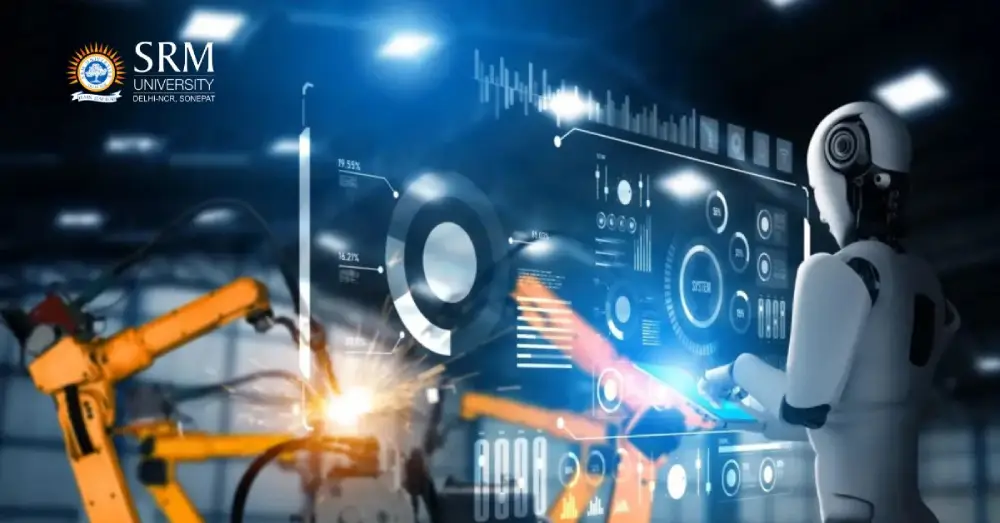
In the manufacturing sector, companies use robotics, automation, and IoT sensors to run the production lines. Edge computing processes this data instantly, helping machines to respond quickly. Cloud systems handle the long-term planning and deeper analysis. These use cases are a major element of cloud computing courses in Delhi.
Retail stores, smart cities, and telecom networks also depend heavily on instant processing. Edge technology powers smart shelves, security systems, traffic monitoring and 5G services, while the cloud platforms coordinate the bigger picture.
Where Can Students Learn the Right Skills for Edge + Cloud?
If you are exploring cloud computing courses in Delhi, one institution that stands out strongly for its future-focused training is none other than SRM University Delhi NCR, Sonepat.
SRMUH offers a modern course module that covers cloud platforms, IoT, automation, cybersecurity, and edge computing. Students can get the practical experience via advanced labs, real-time simulation, and project-based learning. This hands-on approach helps learners to build the needed technical confidence. With the benefits of internships, industry collaborations and placement support, SRMUH prepares students for the fast-growing world of cloud and edge technologies. This makes it an excellent choice for students searching for cloud computing courses in Delhi.
FAQs
Q.1 Why is edge computing becoming so important?
Edge computing is important as modern systems require instant processing. It reduces the delays and supports real-time decision-making, where students can learn in cloud computing courses in Delhi.
Q.2 Does the cloud still matter if edge computing is growing?
Yes, cloud computing remains vital for storage, analytics and large-scale operations. Edge and cloud work together to make a complete hybrid system.
Q.3 Can beginners learn edge and cloud technologies?
Yes. With structured training, beginners can learn about both areas easily. Many cloud computing courses in Delhi come up with beginner-friendly modules.
Start Your Cloud Journey at SRM University Delhi NCR, Sonepat
If you want to master edge+cloud computing and build a future-ready career, SRM University Delhi NCR, Sonepat, is the perfect place to begin. Explore the advanced programmes and take the first step towards a successful and rewarding tech career. Apply now and shape the future today!